 11
11
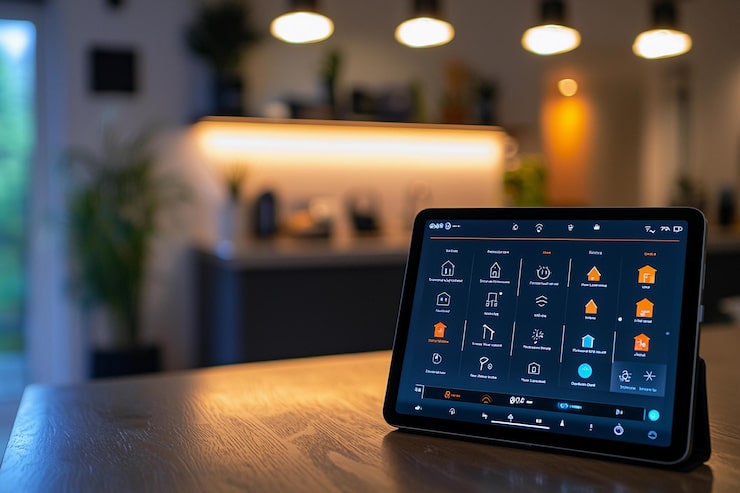
Home automation used to sound like something complicated or expensive. Today, it has become much more accessible. You do not need a fully connected house to benefit from it. Even a few small changes can make daily life easier and more efficient.
That is why understanding home automation basics is a good starting point. Instead of trying to build a perfect smart home, you focus on simple systems that remove small daily tasks.
The goal is not to add complexity. It is to reduce effort in ways that feel natural.
The best place to begin is with routines you already follow. Turning lights on and off, adjusting temperature, locking doors, or checking devices are all examples of tasks that happen daily.
These are perfect for automation.
When you apply smart home setup ideas to repeated actions, the benefits become clear quickly. Lights that turn on at certain times, temperature that adjusts automatically, or devices that respond to simple commands can save time and make your environment more comfortable.
Start with what you already do. Then look for ways to simplify it.
A common mistake is trying to automate everything at once. That usually leads to confusion and frustration.
Instead, begin with one or two devices.
This could be a smart plug, a smart bulb, or a basic smart speaker. These are simple, affordable, and easy to control. Once you understand how they work, it becomes easier to expand your system step by step.
Good automation tools should feel easy to use from the beginning. If something feels complicated right away, it may not be the right starting point.
Simple systems build confidence.
Most home automation works through timing or triggers.
Time-based automation means something happens at a set hour. Lights turn on in the evening. Devices switch off at night. Heating adjusts in the morning.
Trigger-based automation means something happens when an action occurs. A light turns on when you enter a room. A notification appears when a door opens. A device switches off when you leave home.
These systems are the foundation of many IoT devices. They reduce the need to manually control everything and allow your home to respond automatically.
When used well, these features make daily life smoother without requiring constant attention.
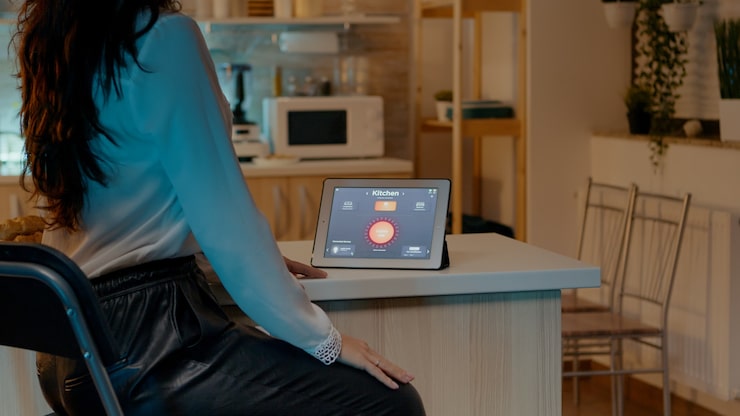
One of the easiest ways to interact with a smart home is through voice commands. Voice assistants allow you to control lights, devices, reminders, and simple tasks without using your hands.
This can be especially useful when you are busy, carrying something, or moving around the house.
Voice control is not required for automation, but it adds convenience. It also makes the system feel more natural because you interact with it the way you would ask a person for help.
Used correctly, it removes small barriers in everyday tasks.
As you add more devices, it becomes important to keep your system organized. Name devices clearly. Group them by room. Keep controls simple and easy to find.
This helps avoid confusion later.
A clean smart home setup works better because you do not waste time searching for controls or remembering how things are connected. Organization becomes more important as your system grows.
Even a small amount of structure can make everything feel easier to manage.
It is easy to get distracted by all the features smart devices offer. Not every feature will be useful in your daily life.
Focus on what actually improves your routine.
If a device saves time, reduces effort, or adds convenience in a meaningful way, it is worth keeping. If it feels unnecessary or complicated, it may not be adding value.
The best home automation basics are built around usefulness, not novelty.
Your system should solve problems, not create new ones.
Once you are comfortable with a few devices, you can slowly expand your setup. Add more rooms. Try new triggers. Connect devices together. Build more advanced routines if they make sense for your lifestyle.
There is no need to rush.
A gradual approach helps you understand what works best and prevents your system from becoming overwhelming. It also gives you time to adjust and improve as you go.
Automation works best when it grows with your needs.
Home automation basics do not require a complicated setup or a large investment. Even small changes can make your home feel more efficient and easier to manage.
With a simple smart home setup, a few helpful automation tools, and practical use of IoT devices and voice assistants, daily tasks can become smoother and less time consuming.
Start small. Keep it simple. Build from there.
That is how smart homes actually become helpful.
More Automation – How to automate your news feed