 11
11

Most people do not have a news problem. They have a filtering problem.
There is too much information, too many updates, and too many headlines competing for attention all day. By the time you scroll through everything, you may know more facts, but you often feel less clear.
That is why personalized news automation has become so useful. Instead of checking multiple apps and hoping the right information finds you, you build a system that delivers relevant updates based on your interests, location, and priorities.
The result is not just more convenience. It is better focus.
A lot of people consume news passively. They open a few apps, skim whatever is trending, and end up spending time on updates they did not actually need.
Automation changes that.
When your system is built well, it sends the topics that matter to you and filters out much of the noise. That could mean local weather, business headlines, technology, finance, sports, parenting updates, market trends, or specific regional issues.
The point of custom news feeds is not to overwhelm you faster. It is to help you see what matters with less effort and less clutter.
That is what makes automation feel valuable instead of distracting.
Before setting up any system, get honest about what information you actually want on a regular basis. Most people only need a few categories to stay informed.
Think in terms of what helps your life or work. Maybe you want weather in the morning, local headlines once a day, business news during the week, and a weekly digest for a niche interest. That is enough for most people.
The clearer your priorities are, the better filtered news alerts will work. Without that clarity, automation can become another stream of random content that steals time instead of saving it.
A simple system always performs better than an overloaded one.
The best automated news systems usually have one central destination. That could be your email inbox, a news app, a messaging platform, or a dashboard you check at the same time each day.
Having one main place matters because scattered notifications create mental clutter. If updates are arriving in five different apps, the system stops feeling helpful.
A clean setup makes daily briefings easier to absorb. You know where to look, when to look, and what kind of information will be there.
That kind of structure is what turns news from distraction into utility.
Automation works better when you think about when information is useful, not just what information you want.
For example, weather is most useful in the morning. Market updates may matter before work. A local digest might be better in the evening. Weekly niche updates might be enough on Fridays instead of every day.
This timing piece is often overlooked, but it makes a big difference. The same update can feel helpful or annoying depending on when it arrives.
Strong personalized news automation is not only about relevance. It is also about delivery at the right moment.
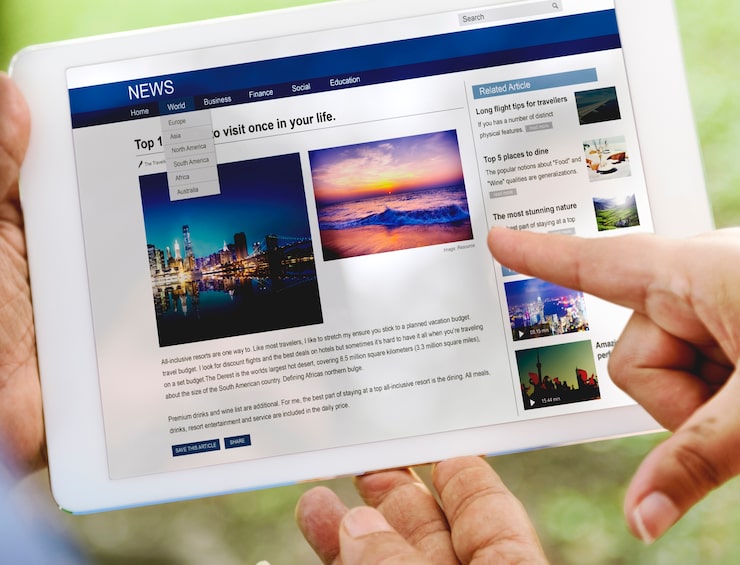
One of the most useful roles for AI tools in a news system is summarization. Instead of sending you endless headlines, a good setup can give you shorter, clearer overviews that save time.
That matters because gathering information is only half the challenge. The other half is turning it into something readable and manageable. If AI can condense five stories into a short briefing, you get the benefit of staying informed without spending too much time scrolling.
This is especially helpful for busy people who want to know what is happening but do not want to read every article in full.
Used well, AI adds clarity rather than just volume.
No automation setup works perfectly on day one. Some sources will be too noisy. Some topics will be less useful than expected. Some alerts will arrive too often.
That is normal.
The key is to review the system every so often and remove what is not helping. Keep the sources that consistently deliver useful updates. Reduce the ones that create clutter. Add new categories only when they serve a real purpose.
This is how custom news feeds become sharper over time. Good automation is not set once and forgotten forever. It improves through small adjustments.
The more intentional you are, the more valuable the system becomes.
One of the biggest mistakes people make is turning on too many notifications. When every update feels urgent, nothing really is. Soon the system becomes background noise.
This is where restraint matters.
Choose fewer, better alerts. Let major updates break through, but keep the rest in scheduled summaries or digest-style formats. That way, you stay informed without teaching your brain to ignore everything.
The best filtered news alerts feel useful when they arrive. They do not create stress every ten minutes.
Less is often smarter.
Personalized news automation is one of the easiest ways to reduce information overload while still staying informed. Instead of checking multiple sources all day, you create a cleaner system that brings the right updates to you at the right time.
With focused priorities, better custom news feeds, sensible daily briefings, and helpful AI tools, news becomes easier to manage and more valuable to your day.
You do not need more headlines.
You need a better filter.